Inside Newport Beach Waterfront Living
February 5, 2026
February 5, 2026
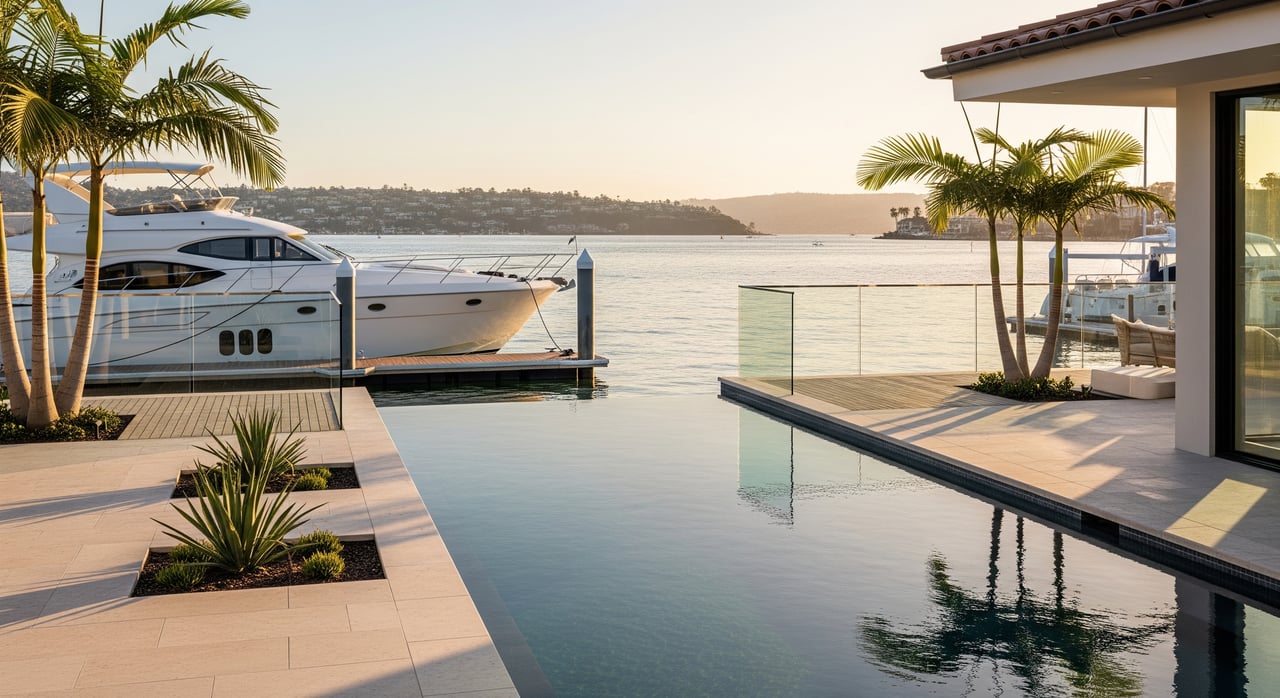
Salt air, harbor sunsets and a boat at your back door sound dreamy. If you are exploring Newport Beach waterfront living, you also want the real picture of day-to-day life, costs and the trade-offs between oceanfront energy and harbor calm. In this guide, you’ll get a clear, local view of neighborhoods, lifestyle, ownership realities and a practical checklist to buy with confidence. Let’s dive in.
If you want direct beach access and wide-open Pacific views, the Balboa Peninsula and the Corona del Mar coast deliver. You get surf exposure, dramatic sunsets and beach activity right outside your door. Certain stretches, like The Wedge on the Peninsula, see large waves in the right conditions. Expect more salt spray, higher wave action and seasonal beach crowds compared to harbor blocks.
Construction and permitting can be more complex on the exposed coast. Coastal protection rules are strict, and improvements may require coastal permits. You will also plan for higher exterior maintenance due to wind and salt.
If calm water and dockside living are your priorities, focus on Newport Harbor neighborhoods. Balboa Island, Lido Isle and Collins Island center daily life around boating and small-craft access. Many bayfront homes include private docks or shared slips. The harbor hosts a strong yachting culture anchored by local yacht clubs, with a year-round calendar of races and social events.
Slip availability is limited and valuable. Ownership or long-term leases can be costly and vary by property or association. Verify transfer rules and terms during due diligence if a dock or slip is important to you.
Upper Newport Bay, also called the Back Bay, offers a quieter, nature-forward lifestyle. You trade private dockage for trails, birding and flatwater kayaking. Many nearby homes prioritize views and access to open space rather than boat-ready features. This setting appeals if you want a serene base with easy outdoor recreation.
The harbor is a central gathering place. You will find private docks, marinas, boat launches and commercial charters. Signature events, including the Newport to Ensenada race and the Christmas Boat Parade, bring energy to the waterfront and attract visitors. If you own a boat or plan to, the harbor lifestyle is a major plus.
Slip supply is finite, so rights or leases tied to a property can be a key value driver. If you will rely on a public or private marina, ask about waitlists, fees and rules early in your search.
Public beaches and piers along the Peninsula and Corona del Mar State Beach offer surfing, swimming and long beach walks. The Wedge delivers high-energy surf in certain swells. City lifeguards cover popular areas, and ocean conditions vary by season and weather. Summer and holiday weekends bring more visitors, so plan for crowds and parking impacts.
You can walk to waterfront dining and retail in clusters around the Balboa Peninsula, Balboa Island’s village and Lido Marina Village. Options range from coffee and snack stands to upscale restaurants with harbor or ocean views. Community events, farmers’ markets and boat shows add buzz throughout the year and can increase traffic on event days.
Walkability depends on the block. Balboa Peninsula, Balboa Island village and parts of Lido Marina Village are among the most pedestrian-friendly for daily errands. Other waterfront streets are more car-dependent. The Balboa Island Ferry is a unique local link that carries cars, bikes and pedestrians across the harbor between the island and the Peninsula.
Public transit is limited compared to larger urban centers, though OCTA buses serve the city. John Wayne Airport is a short drive, which simplifies travel if you split time between homes.
Salt air speeds up corrosion and wear. Plan for more frequent upkeep of exterior paint, metal fasteners, decks and any dock components. Using marine-grade materials and setting a proactive maintenance schedule can extend the life of finishes and systems.
If a property includes a dock, gangway, bulkhead or seawall, budget for periodic inspections and repairs. Transfer rules and maintenance obligations vary by property, association and marina management. Documentation matters. Ask for permits, service history and any agreements that define who pays for what.
Changes to many oceanfront and some bayfront properties require coastal permitting and coordination with local planning authorities. Rules are especially strict where public access, bluff stability or shoreline protection are involved. Seawalls and revetments are tightly regulated, and private coastal armoring can affect neighboring properties.
Short-term rental rules vary by neighborhood and are updated over time. If rental income is part of your plan, check current municipal rules and permitting before you commit.
Waterfront homes are more likely to fall within FEMA flood zones, which can trigger lender requirements for flood insurance. Coastal proximity can increase premiums and underwriting complexity. Many owners also carry earthquake coverage in California. Lenders may ask for engineering reports on older seawalls or marine structures, and they can weigh dock and seawall condition when approving a loan.
Waterfront homes trade on lifestyle. Highlight water access, dock or slip amenities, views and proximity to marinas and signature events. Make marine structures and exterior finishes shine with targeted pre-list improvements and staging. Disclose known seawall or dock conditions, flood-zone status and any easements or encroachments tied to waterfront structures. Buyers will ask, so clear documentation builds trust and supports value.
Newport Beach waterfront is a thin, luxury market with limited inventory and specialized details. You deserve a guide who knows the micro-neighborhoods, the permitting path and the practical realities of docks, slips and seawalls. With concierge-level preparation, design-aware advice and a curated vendor network, you can buy or sell with clarity and confidence. For tailored guidance and a private game plan, connect with Alex Miller.
Stay up to date on the latest trends in the market.

February 19, 2026
February 5, 2026

Real Estate
May 27, 2025
Discover the Best Investment Opportunities in Laguna Beach Neighborhoods

Real Estate
May 13, 2025
Your Guide to Choosing Top-Rated Renovation Experts in Costa Mesa

April 23, 2024
Navigating the Spring Market

April 5, 2024

March 25, 2024
Wondering if it’s time for a larger home?

March 6, 2024
Market Update: Median List Price, Median Sale Price, Homes For Sale, Homes Sold and Days on Market.

March 5, 2024
Market Update: Median List Price, Median Sale Price, Homes For Sale, Homes Sold and Days on Market.
Get assistance in determining current property value, crafting a competitive offer, writing and negotiating a contract, and much more. Contact me today.